

Driving Range Etiquette and Rules Every Golfer Should Know
For many golfers, the driving range is the most relaxed and accessible place to practise. But while it’s less formal than the golf course, there are still important rules and etiquette to follow to keep things safe, fair, and enjoyable for everyone.
Whether you’re brand new to golf or just unsure about range etiquette, this guide covers the key rules every golfer should know before stepping into a bay.
Why Driving Range Etiquette Matters
Driving ranges are shared practice spaces. Poor etiquette can lead to:
Safety risks
Frustration for other golfers
Damage to equipment
An uncomfortable atmosphere for beginners
Good etiquette keeps the range welcoming, efficient, and safe for players of all abilities.
Always Be Aware of Safety First
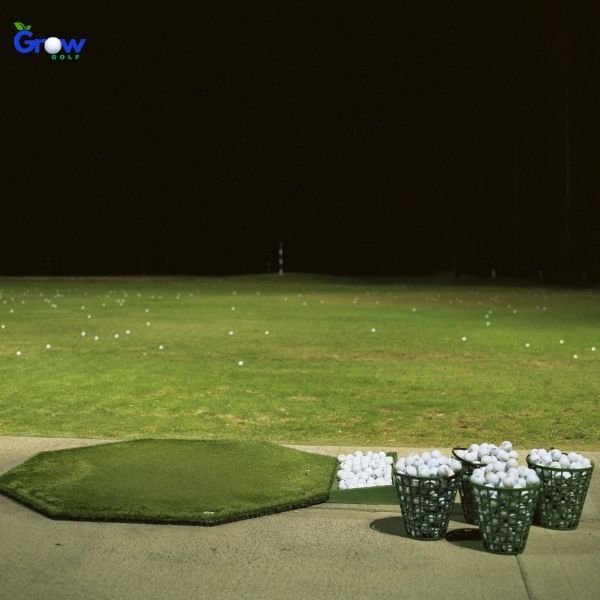
Safety is the most important rule at any driving range. Players are swinging 3/4 ft metal poles and hitting hard golf balls at over 150 miles per hour, never underestimate how dangerous driving ranges can be. Thankfully injuries are incredibly rare and by following some basic precautions everyone can have practice in a safe relaxed environment.
Key safety principles:
Never swing a club when someone is standing close by
Check your surroundings before taking a practice swing
Keep clubs and bags neatly positioned
Avoid stepping in front of active hitting bays
Golf balls travel at high speed, even during warm-up swings. Staying alert protects both you and others.
Respect Bay Boundaries and Ball Limits
Most driving ranges have clear rules around:
Staying within your allocated bay
Not hitting balls from outside the hitting area
Only using balls provided by the range
Do not move baskets or balls between bays unless permitted. These rules help ranges manage wear and maintain fairness.
Take Turns and Be Considerate During Busy Times
At busy driving ranges:
Avoid occupying multiple bays
Keep sessions to a reasonable length
Be mindful if others are waiting
If you’re practising slowly or using drills that take time, that’s fine — just stay aware of your surroundings and be courteous.

Avoid Giving Unsolicited Advice
One of the most common etiquette mistakes at the driving range is offering swing advice to strangers.
Even if well-intentioned:
It can feel intrusive
It may contradict professional instruction
It can make beginners uncomfortable
Unless someone asks for help, it’s best to focus on your own practice.
There’s the very famous clip of PGA Pro golfer Georgia Ball that went viral in early 2024 after filming an interaction where a stranger at a driving range giving her unsolicited, patronizing advice on her golf swing, claiming 20 years of experience and telling her to “follow through” and “play skip backward,” even taking credit for her improved shot after his input. Don’t be that guy!
Keep Noise and Phone Use Respectful
Driving ranges are social spaces, but excessive noise can be distracting.
Good practice includes:
Keeping phone calls brief
Using headphones for videos or music
Avoiding loud conversations during active practice
A calm environment helps everyone concentrate.
Warm Up Without Distracting Others
Warm-up routines are encouraged, but be mindful when:
Taking large practice swings behind bays
Using training aids that extend beyond your space
Always ensure your warm-up stays within your bay and doesn’t interfere with nearby golfer

Follow Range-Specific Rules and Signage
Every driving range is slightly different. Some may:
Restrict certain clubs
Limit shot height or direction
Have specific rules around coaching or filming
Always take a moment to read posted signs or ask staff if unsure.
Clean Up After Your Session
Before leaving:
Return baskets to collection points
Dispose of rubbish
Leave the bay tidy
This helps staff and ensures the next golfer starts with a clean space
Etiquette Tips for Beginners
If you’re new to the driving range:
Don’t worry about making mistakes, everyone started somewhere
Take your time
Focus on safety and courtesy above performance
Most golfers are supportive when basic etiquette is followed.

Villains of the Driving Range (don't be one of these!)
The Wannabe Pro – Player with every training aid under the sun, latest top of the range clubs, headphones and carpet bombs every sentence with as much swing jargon as humanly possible (normally said as loudly as possible). Definition of “all the gear but no idea”.
The Mansplainer – A character who appears uninvited to offer unsolicited, and often incorrect, advice to others, even to actual professional golfers who are just trying to practice.
John “Tiger” McEnroe – The guy who loudly sighs, complains and even curses every shot they hit so that everyone on the range knows they aren’t playing to their absolute Rory Mcilroy best. It’s practice dude, chill!
The Talk Show Host – Person who spends more time on the phone than hitting golf balls. Look no one minds people talking on the phone but try to be discreet or move away from the range temporarily
Final Thoughts
Good driving range etiquette is about awareness, respect, and safety. By following these simple rules, you help create a positive practice environment for everyone from complete beginners to experienced golfers.
Understanding etiquette not only improves the range experience, but also prepares you for proper behaviour on the golf course itself.
FAQ
Is it okay to practise without hitting balls?
Yes. Many golfers practise swings, drills, or setup routines without hitting balls. Just make sure you stay within your bay, remain aware of others nearby and get through your basket of balls in a reasonable amount of time (especially if the range is busy).
Can I bring my own golf balls to the driving range?
Most driving ranges require you to use their balls only. Personal balls can damage range equipment and are often prohibited. One thing to note is that range balls are built for durability and cost effectiveness and therefore generally lower quality than premium balls resulting in significant spin and distance loss.
Is coaching allowed at driving ranges?
Some ranges allow coaching, while others restrict it to approved instructors. Always check the range’s policy before giving or receiving lessons. Of course playing with an experienced player or family member giving advice is absolutely fine, again just be mindful of being excessively noisy.
What should I do if someone nearby is behaving unsafely?
If you feel uncomfortable or unsafe, notify range staff. Avoid confrontation and prioritise safety.
Get More From Your Driving Range Practice
Training aids can speed up improvement, but practising at the right facility or with the right guidance makes an even bigger difference. Explore local driving ranges and instructors to get the most out of your practice sessions.
Other Articles you might like

Practice Effectively at the Driving Range

Best Training Aids to Use at the Driving Range

Driving Range Etiquette and Rules Every Golfer Should Know
Practice Effectively at the Driving Range
Best Training Aids to Use at the Driving Range